Silver Lining Old Age Home

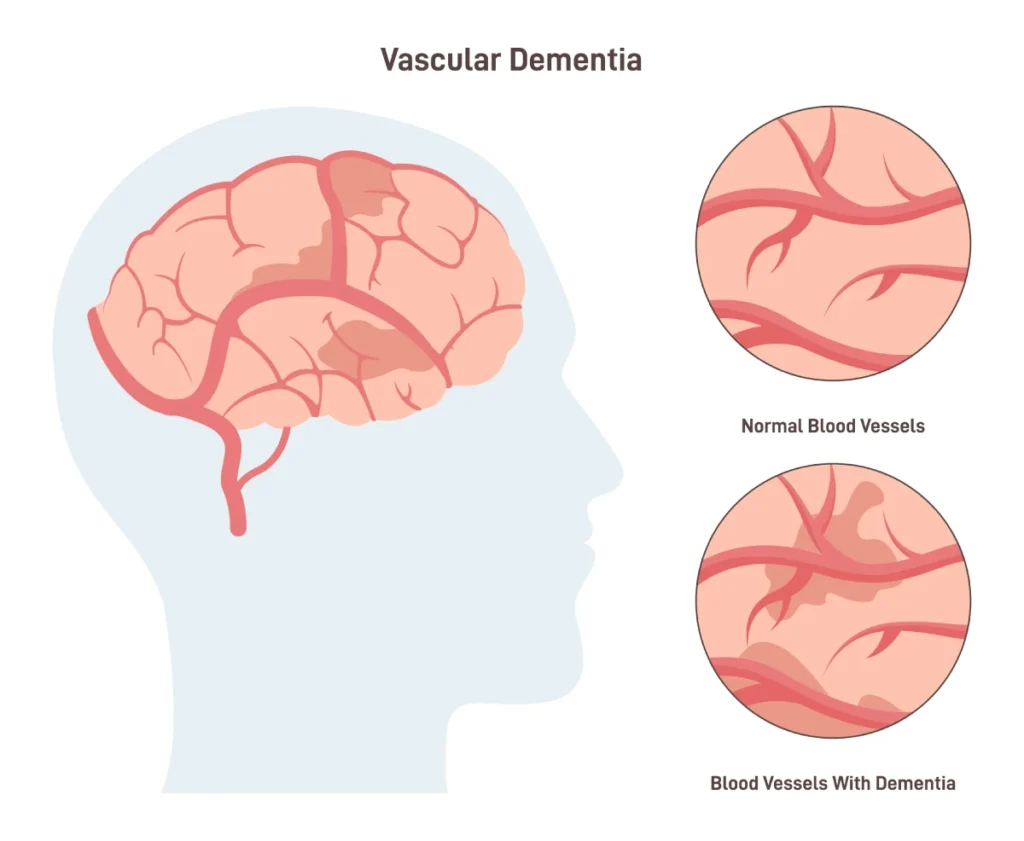
Dementia is more than a medical condition—it is a deeply emotional journey for both the individual and their loved ones. Marked by memory loss, behavioural changes, and emotional challenges, dementia can be difficult to recognize in its early stages, often leaving families feeling overwhelmed, exhausted, and uncertain about the future. While dementia is widely known to be progressive and currently without a definitive cure, compassionate care and the right environment can make a meaningful difference.

At Sloah, we believe that even when memories fade, dignity, comfort, and quality of life should never be lost. Our world-class dementia care infrastructure is thoughtfully designed to create a safe, calming, and supportive space where elders feel respected, understood, and cared for. With structured routines, emotional support, and personalized attention, we aim to reduce symptoms and help residents live with greater comfort and peace.

Early diagnosis and timely intervention play a vital role in slowing progression and improving overall well-being. At Sloah, our experienced team works closely with families to provide reassurance, guidance, and expert care every step of the way.
Our Memory Care Centre offers the warmth of community living, where residents are surrounded by peers and supported by highly trained, compassionate caregivers who understand the unique needs of individuals living with Alzheimer’s and other forms of dementia. Every interaction is guided by empathy, patience, and respect. Sloah provides a specialized dementia care program tailored for elders at all stages and across all types of dementia. We focus on holistic care—addressing physical health, emotional well-being, mental stimulation, and social connection—so that every resident feels valued, safe, and loved.

At Sloah, we don’t just care for elders—we care for families, memories, and moments that truly matter.

Early diagnosis and timely intervention play a vital role in slowing progression and improving overall well-being. At Sloah, our experienced team works closely with families to provide reassurance, guidance, and expert care every step of the way.

These are the highlights of sloah Dementia Care Program

👨‍⚕️ Run by a group of specialist doctors
👥 Trained & professional team
🏠 Smooth transition from home to SLOAH
📝 Assistance in admissions
🧠 Dementia staging
📋 Care planning and management
🩺 Comprehensive general health assessments
🚶 ADL (Activities of Daily Living) – Katz Scale
⚠️ Fall risk assessment
😖 Pain assessment
❤️ Person-centred care (PCC)
😊 Focus on emotional well-being
🎨 Activities & engagement programs
🧩 Managing behavioural challenges
🥗 Nutrition & hydration management
🕯️ Late-stage management
🌼 End-of-life care

Aspects of holistic care

1. Team of doctor along with psychologist.

With over 10 years of experience in India, Sloah operates under the guidance of esteemed medical professionals including Dr. S. K. Jain, Dr. N. Jain, and a dedicated multidisciplinary team of psychologists and dementia specialists. Their expertise, combined with our heartfelt approach to caregiving, ensures that your loved one is always in capable and caring hands.

2. Physical care

Regular physical activities like walking. Stretching, yoga Body weight training, isometric exercise, light weight training etc, can prevent or delay many age-related health problems. Building muscle strength is important to continue to lead an independent life.

3. Nutrition and hydration

Having a balanced diet is a key component of preventive health management. Eating the right kind of natural supplements can compensate for chemical supplements that the body may need as we age. Under direct supervision of Dr S K Jain and Dr N Jain and dietitian, we not only provide good diet, vitamin D and vitamin b12 supplementation also.

4. Cognitive health and cognitive stimulation therapy

Cognitive health refers to the brain’s ability to think, gather and process information. Cognitive impairment is commonly part of neurodegenerative diseases such as dementia, Parkinson’s disease. Early diagnosis and management is the key. Regular games, creative activity like pot making quiz etc. we scheduled activity for every week and its proper follow up

5. Spiritual wellbeing

This can help provide an elder with deeper meaning of life, sense of hope and emotional comfort. It helps them maintain a positive outlook and self-esteem, even during difficult times. We help our residents with daily Aarti, Pooja, Brahma Kumari sessions, temple visit, satsang at old age home etc.

6. Social engagement

Activities and socialisation are great form of cognitive stimulation. We help our residents with Playing card, helping other inmates in day to day activities.

7. Emotional Wellbeing

Emotional wellness focuses on stress management and achieving a feeling of happiness and content life. Having self-awareness, developing meaningful relationships, meditation and doing things that makes you happy should be the goal. We help our residents with Counselling with staff and management

8. Psychological health

Mental health is at times most compromised as we age due to various physical, social or environmental factors. Geriatric depression and anxiety is common and needs clinical diagnosis and treatment.

9. Sensory Integration

Providing sensory stimulation to the brain can stimulate the brain’s sensory systems and improve cognitive function. It is also called “Sensory Diet” Despite the name, it is not about food; rather, it “feeds” the nervous system with sensory experiences to achieve a “just right” state of alertness.  A sensory diet is a personalized, structured plan of activities and environmental modifications designed to provide an individual with the specific sensory input they need to stay focused, calm, and organized throughout the day.

10. Motor Integration Therapy

A therapy to promote physical activities. Motor Integration Therapy:

  1. Physical Therapy: Exercises to promote physical activity and improve balance and mobility.
  2. Occupational Therapy: Activities to improve daily living skills and increase independence.
  3. Speech Therapy: Exercises to improve communication and swallowing problems.
  4. Motor Skills Training: Exercises to improve motor skills, such as grasping, writing, or dressing

11. Cognitive stimulation therapy

It is a type of therapy that aims to improve cognitive function in individuals with dementia. The goal is to stimulate the brain and promote neural connections to improve memory, attention, language, and problem-solving skills.

Types of Cognitive Stimulation Therapy:

Memory Training: Activities that challenge memory, such as recalling past events or learning new information.

Attention Training: Activities that improve attention, such as puzzles or games.

12. Neuroplasticity

Neuroplasticity is the brain’s ability to change and adapt itself. It’s the process of creating new connections between brain cells and changing old ones. It’s a powerful concept that can be very helpful for patients with dementia. Promoting neuroplasticity can reorganize brain cells and improve cognitive function. Neuroplasticity can help patients with dementia in several ways:

Revitalizing brain cells: Neuroplasticity can help revitalize brain cells, improving brain function.

Creating new connections: Neuroplasticity can help create new connections between brain cells, improving brain function.

Changing old connections: Neuroplasticity can help change old connections, improving brain function.

Improving brain function: Neuroplasticity can help improve brain function, reducing dementia symptoms.

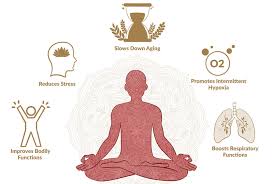
13. Breathing exercise and Pranayama

Nadi shodhan Pranayam ujjayi and bhramari Pranayam. These are very helpful in management of dementia.

14. Bhastrika Pranayama

“Bellows Breathing”, is a powerful pranayama that helps purify the body and mind. It is seen that after regular practice of bhastrika Pranayam up to 30 minutes per day, improve lot of symptom of memory loss. One study found that regular practice of pranayama and meditation can reduce stress, anxiety, and depression in the elderly, which may help reduce the risk of dementia. Under direct supervision of Dr S.K Jain, We have an expert physiotherapist and yoga therapist. We are conducting research on the positive effect of bhadrika and kapalbhati Pranayama on dementia patients

15. Kapalbhati Pranayama

It is a powerful breathing technique that helps purify the body and mind. It can be beneficial for dementia patients in several ways:

Increases oxygen supply to the brain, improving cognitive function.

Reduces stress and anxiety, which can alleviate dementia symptoms.

Improves memory and concentration, helping to manage dementia symptoms.

Improves sleep quality, which can help alleviate dementia symptoms.

Ek Kahani, Har Dil Ke Kareeb

Delhi ke Rajendra Uncle, retired school principal, apni zindagi ke 70 saal tak students ko knowledge dete rahe.
Bacche settle ho gaye, par unki ek khwahish thi — “Mujhe aisi jagah chahiye jahan main apne saalon ki thakan sukoon me badal sakun.”

Phir unhone discover kiya — Silver Lining Old Age Home.

Send Query

    Scroll to Top